


Within the framework of the "ZAEV Environmental Health Program" to raise awareness of environmental protection through the implementation of activities and environmental actions to combat climate change, increase green areas and clean existing, as well as promote renewable sources of energy, marking





ZAEV Environmental Health Program 26-27
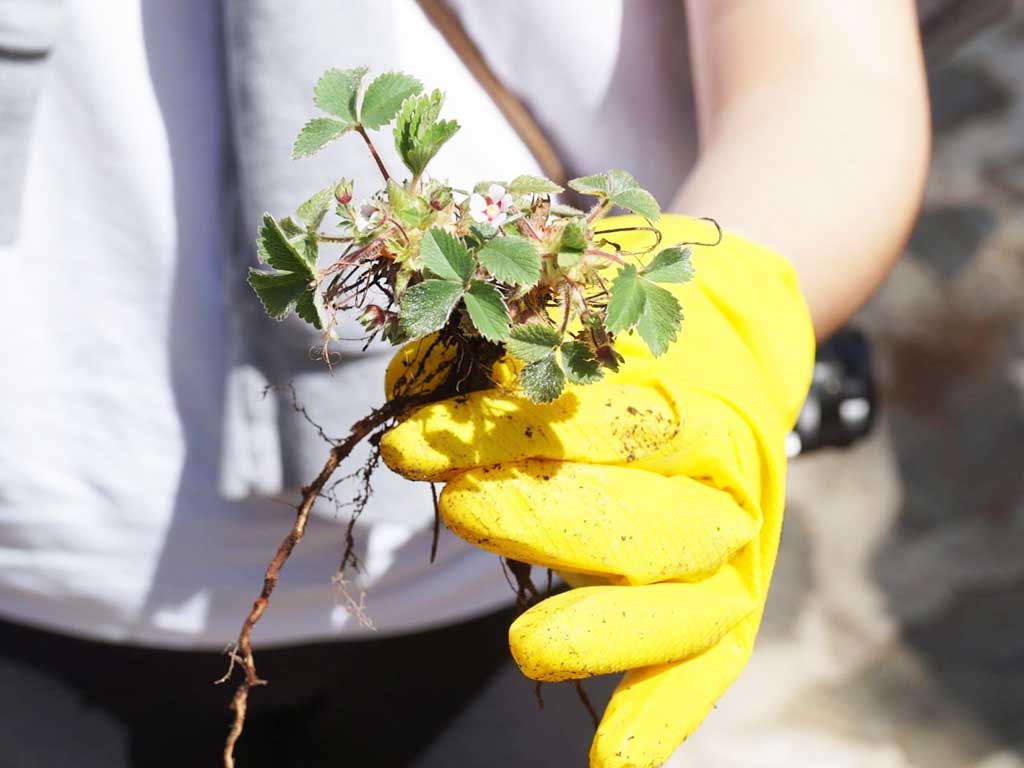
21 March - International Day of Forests
Celebrating the International Day of Forests on 21 March, declared by the United Nations General Assembly, will carry out activities to increase green areas that are of great importance for the conservation of biodiversity, health of the population and mitigation of erosive processes and floods.
Forests, pillars of global food security and nutrition, are the livelihoods of millions of families. They provide essential foods such as fruits, seeds, roots and wild meat, fundamental resources for indigenous and rural communities.
But its function goes far beyond. Forests are a vital source of energy, providing wood for cooking, playing a key role in agriculture by hosting pollinators and acting in soil enrichment, climate regulation and biodiversity conservation. In addition, forested watersheds supply freshwater to more than 85% of the world’s major cities. In crisis situations, forests become an economic and food lifeline, providing up to 20% of family income in rural areas, guaranteeing healthy diets.
But these ecosystems are in danger.
We lose 10 million hectares annually due to deforestation and approximately 70 million hectares affected by fires. Protecting and restoring our forests is urgent and necessary: the well-being of the planet and future generations depends on them.
22 March - World Water Day
Celebrating World Water Day on 22 March, declared by the United Nations General Assembly in pursuit of global efforts to reduce plastic pollution. The activities will be aimed at fostering a proper attitude towards water, as one of the most valuable natural resources in the world. In particular, it is planned to raise awareness about the huge amount of waste that is thrown into and around the water, as well as the danger of the water turning into a water landfill. By cleaning the surroundings of the municipality of Strumica, i.e. the Gabrovo Waterfalls (located in the bosom of the Belasica Mountain, beyond the village of Gabrovo), the Smolare Waterfall (located in the bosom of the Belasica Mountain, above the village of Smolare) and the Koleshino Waterfall (located on the northern slopes of the mountain Belasica, in the lower course of the Baba River, in the village of Koleshino). By cleaning the environment of the previously specified waterfalls, we will promote better protection of nature and sustainable use of natural resources.
22 April - International Mother Earth Day
Celebrating the International Mother Earth Day on 22 April, declared by the United Nations General Assembly, by arranging public areas and spaces together with the citizens on the territory of the municipality of Strumica. These activities will include horticultural landscaping (planting seedlings adapted to the climate of the envisaged public space, soil application and landscaping) and installation of urban equipment (replacement of existing benches and installation of new ones; replacement of non-functional waste bins and installation of new ones). The result of these activities should contribute to raising the level of hygiene in these public areas and spaces, as well as providing a better way of life for citizens.
5 June - World Environment Day
Led by the United Nations Environment Programme (UNEP) and held annually on 5 June since 1973, World Environment Day is the largest global platform for environmental public outreach and is celebrated by millions of people across the world.
These observations will be realized through the following activities:
Action “Take care of green spaces”: Involving schools, companies, and civil society organizations in the long-term maintenance of parks, schoolyards, and public green areas.
Competition “The greenest community: Encouraging local communities and schools to implement environmental initiatives, with public recognition of the most successful practices.